

The Power of Branding in Web Design: Making Your Mark
Branding is more than just a logo or a catchy slogan; it’s the essence of your company’s identity. In the digital age, your website is often the first point of contact between you and your potential customers. This is where the importance of branding in web design becomes crucial. By integrating your brand seamlessly into your web design, you can create a memorable user experience, build trust, and drive conversions. Let’s dive into why branding in web design is essential and how you can leverage it to your advantage.
Table of Contents
The Importance of Branding in Web Design
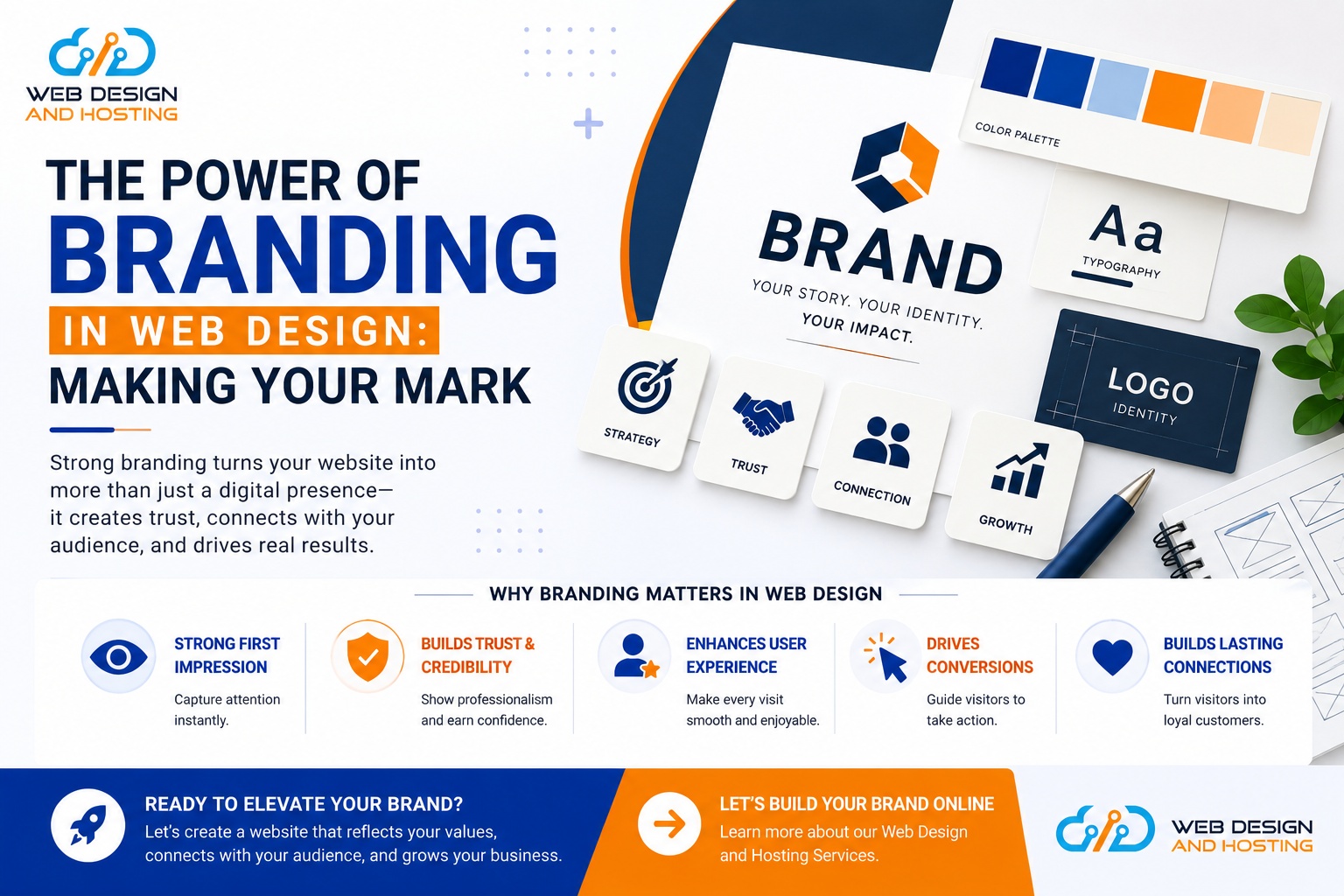
When visitors land on your website, they should immediately recognize who you are and what you stand for. This instant recognition builds familiarity and trust. But how do you achieve that? Let’s explore the core reasons behind the importance of branding in web design.
Creating a Strong First Impression
First impressions matter, especially online where attention spans are short. A well-branded website ensures that your visitors are immediately greeted with a cohesive and professional look that reflects your brand’s identity.
A strong online presence starts with making smart design decisions. Choosing the right layout, color scheme, and visual structure can significantly influence how visitors perceive your brand. If you’re unsure where to begin, understanding how to choose a good website design can help you create a site that is both visually appealing and user-friendly.
Key Elements for a Strong First Impression:
- Consistent Color Scheme: Use your brand’s colors throughout your website to create a unified look.
- Typography: Choose fonts that reflect your brand’s personality and are easy to read.
- Logo Placement: Ensure your logo is prominently displayed, preferably in the header.
Building Trust and Credibility
Trust is the cornerstone of any successful relationship, including those with your customers. A well-branded website exudes professionalism and reliability, which are essential for building trust.
Ways to Build Trust Through Branding:
- Professional Design: A clean, well-organized design shows that you care about your business and your customers.
- Consistent Messaging: Your brand’s voice should be consistent across all pages and platforms.
- Authentic Content: Share genuine stories, testimonials, and case studies to build credibility.
Enhancing User Experience (UX)
Branding plays a significant role in user experience. A well-branded website is not only visually appealing but also user-friendly. It guides visitors effortlessly through the site, making their journey enjoyable and intuitive.
Enhancing UX Through Branding:
- Clear Navigation: Use branded navigation bars and menus to help users find what they’re looking for.
- Visual Hierarchy: Organize content in a way that highlights important information first.
- Interactive Elements: Use branded buttons and call-to-actions (CTAs) to engage users.
Driving Conversions
Ultimately, the goal of any website is to convert visitors into customers. Effective branding can guide users through the conversion funnel, from awareness to decision.
Driving Conversions with Branding:
- Clear CTAs: Use branded buttons and action-oriented language to encourage clicks.
- Seamless Experience: Ensure the entire user journey, from landing page to checkout, is cohesive and on-brand.
- Emotional Connection: Appeal to users’ emotions through your brand’s messaging and visuals.
Implementing Branding in Web Design
Now that we understand the importance of branding in web design, let’s explore how to implement it effectively.
Consistent Visual Identity
Your visual identity should be consistent across all pages and platforms. This includes colors, fonts, images, and logo placement.
Steps to Achieve Consistency:
- Create a Style Guide: Document your brand’s color palette, typography, logo usage, and other visual elements.
- Use Templates: Develop templates for your web pages to ensure consistency.
- Regular Audits: Conduct regular audits to ensure all visual elements remain consistent and on-brand.
Strategic Content Placement
Content should be strategically placed to guide users through the conversion funnel. This involves a thoughtful balance of informational content, visuals, and CTAs.
Best Practices for Content Placement:
- Above the Fold: Place the most important information and CTAs above the fold to grab attention immediately.
- Use Visual Cues: Use arrows, icons, and other visual cues to guide users to key content.
- Balanced Layout: Ensure a balanced layout with a mix of text, images, and white space for better readability.
Conclusion
The importance of branding in web design cannot be overstated. It’s the thread that weaves together every aspect of your website, creating a unified and compelling user experience. By focusing on consistent visual identity, compelling storytelling, and strategic content placement, you can build a website that not only attracts visitors but also converts them into loyal customers. Start integrating these principles today, and watch your brand’s online presence flourish.
Ready to Elevate Your Brand? Don’t let a poorly branded website hold you back. Let us help you create a digital presence that truly reflects the quality and values of your brand. Contact us today to learn more about Web Design and Hosting services and start your journey towards a more powerful online identity.
Connect With Us:
Frequently Asked Questions About Web Design
Why is branding important for a website?
Branding helps your website create a strong first impression, build trust with visitors, and make your business more memorable. A consistent brand also improves recognition across all digital platforms.
How does branding improve user experience?
Strong branding makes navigation clearer and creates a more cohesive experience. Consistent colors, fonts, and messaging help visitors understand your website faster and interact with it more easily.
What branding elements should be included on a website?
Important branding elements include your logo, brand colors, typography, images, messaging, and call-to-action buttons. These should work together to reflect your business identity.
Can branding help increase conversions?
Yes, effective branding can improve conversions by building trust and guiding users toward taking action, such as making a purchase, filling out a form, or contacting your business.
How can I make my website match my brand identity?
Use a consistent visual style, clear messaging, and content that reflects your brand values. A style guide can also help keep your website aligned with your brand.
Does branding affect customer trust?
Yes, professional and consistent branding makes your business appear more credible. Visitors are more likely to trust a website that looks polished and well-structured.
How often should I update my website branding?
You should review your branding regularly, especially when your business evolves. Updates may be needed when refreshing your logo, messaging, or overall visual identity.